

The Houston Veggie Garden Checklist for April
April in Houston is one of the best months to be a gardener and also one of the most confusing. The cool season is wrapping up, the warm season is in full swing, and there's a short window of true spring weather before the heat arrives and starts making decisions for you. Here's exactly what to plant, what to pull, and what to watch this month.
What to plant now
April is still a strong planting month for warm season vegetables and flowers. Work quickly — Houston's window between comfortable planting weather and summer heat stress is shorter than most people expect.
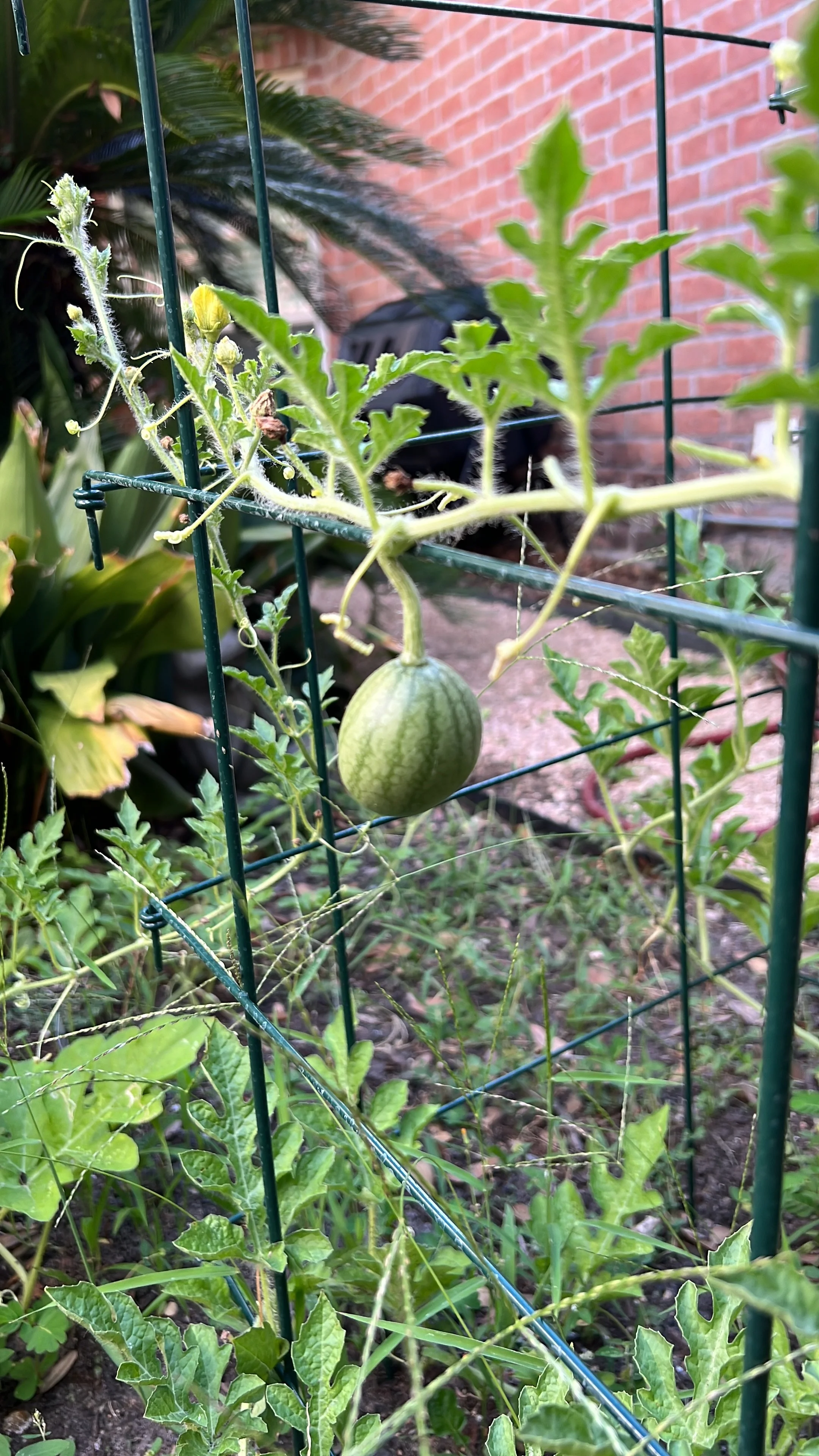
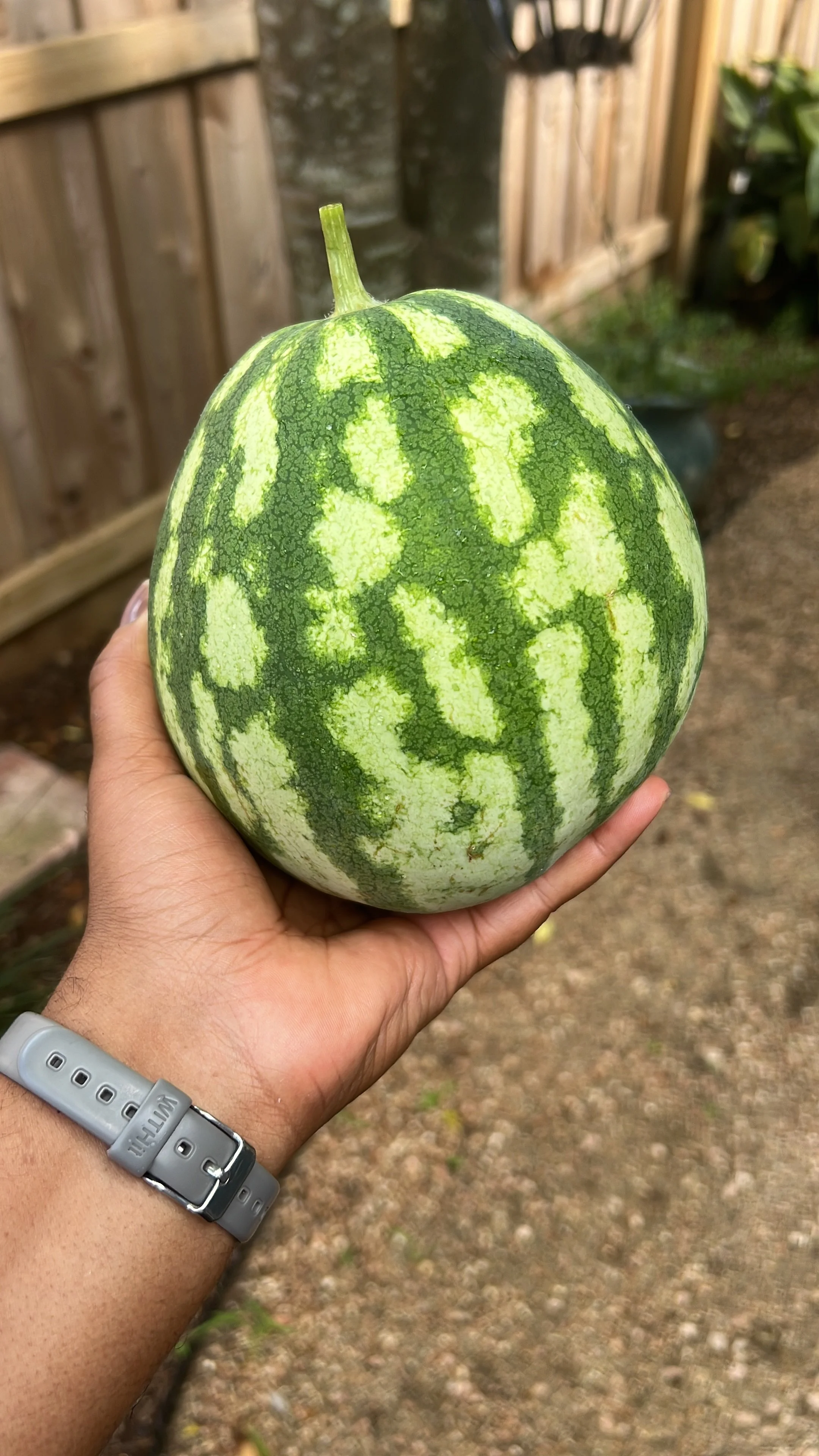
Watermelon — transplants go in starting now. Here you are on a humidity clock (same with squash). The when it gets really humid, powdery mildew can impact and kill leaves before the fruit can develop plus many varieties get stressed when it is over 80 degrees overnight. You’ll get the best results if you plant early in amended soil so that they have time to develop.
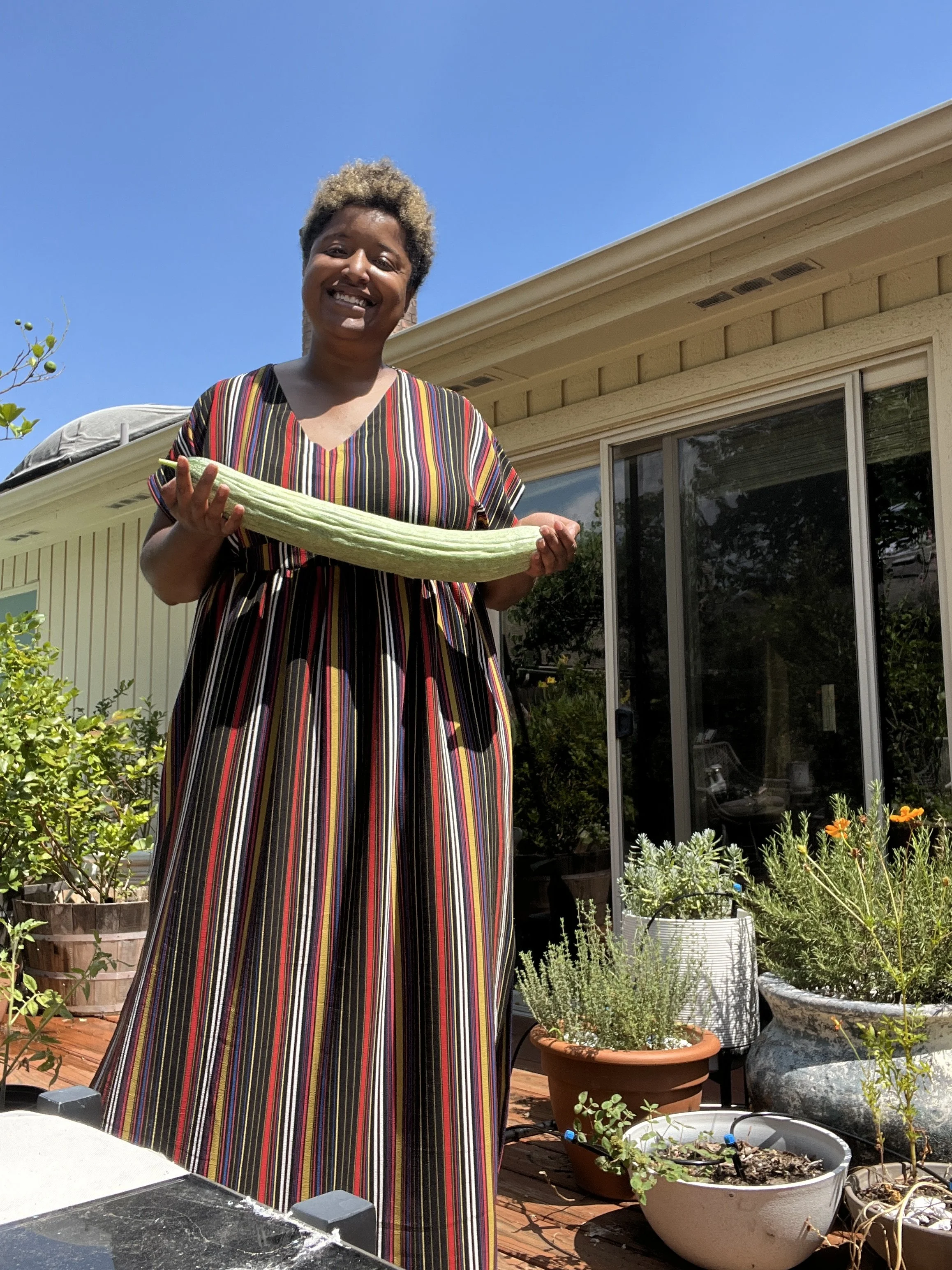
Armenian Cucumber
This cuke loves our climate, has more of a melon feel, and grows to pretty ridiculous scale.
Cucumber— last call. This is the most time-sensitive plant on the April list. Cucumbers grow like a hot season crop but most varieties don’t actually fruit much in deep summer— they want the warm soil of spring without the brutal heat of June and July. If you want something that really loves the heat, try Armenian Cucumber. Get transplants in the ground this month if you haven't already. Your window closes at the end of April.
Summer squash — transplants through end of April. Tatume, Zephyr Yellow Squash, and Dunja Zuchinni are among the most productive things you can grow in a spring. These varieties are heat tolerant and pest resistant, but you will need to monitor for mildew. Be warned: squash is not a “low effort” crop.
Beans — transplants through June 30. Bush beans and pole beans both do well here and are very easy to grow (great for kids!). Get them in now while soil temperatures are ideal.
Corn — seeds are done but transplant through April. Remember to plant several so they can cross pollinate on the wind.
Sweet potato — slips through June 15. One of the most reliable warm season crops in Houston. Plant slips rather than seed and give them room — they spread.
Flowers — marigolds, cosmos, gomphrena, and zinnia transplants all have long windows through the summer. Marigolds pull double duty as pest deterrents near vegetables. Zinnias will bloom until frost if you keep deadheading them.’
Citrus Trees — Yes, you can still transplant citrus trees into pots this month. Be sure to water them deeply and include slow release fertilizer in the soil.
Warm season herbs — Plant Mint, oregano, lemon verbena, rosemary, lavender, lemon balm and more through May. These are the workhorses of the summer herb garden. Get them established now while temperatures are manageable.
What's on its way out
Cool season crops are done or very close to it in Houston by April. If yours are still going, enjoy them — but know the clock is running out.
Lettuce, kale, collard greens, Swiss chard — these will bolt as temperatures climb. Once they send up a flower stalk the leaves turn bitter and the plant is finished. Harvest everything you can by the middle of the month, pull the plants, and amend the bed for warm and hot season planting.
Broccoli, cabbage, cauliflower — if they haven't headed yet they probably won't before the heat arrives. Pull them and use the space.
Carrots, radishes, beets — radishes bolt fast in heat so monitor and and harvest quickly. Carrots and beets may have a little more time depending on your specific microclimate but watch them closely.
Cool season herbs — dill, cilantro — cilantro especially will bolt the moment temperatures rise. Dill can be left to flower for beneficial insect habitat. Let both go to seed if you want to collect them or let them self-sow.
Peas — if you planted peas in the cool weather window they are almost certainly finished. Pull them, add to compost, and plant something warm season in their place.
What to watch in the next 30 days
Plant development and coloring. If you planted in late February or early March, your plants should be sizing up now. Some blossom drop is normal when temperatures swing and color changes with sun and water. That said, ifyou aren’t seeing budding or flowering or your plants are pale, check out our blog on plant nutrition.
Your fruit. Berries and fruit are ripening, which means that competition to get them before the squirrels/birds/eager neighbor is high. Don’t go full Elmer Fudd. Check out our blog on managing birds and pests.
First pest pressure. April is when aphids, hornworms, whitefly, and leafminers show up in force. Walk your garden every few days and check the undersides of leaves. Early detection is everything — a small population is a five-minute problem. A population that's been building for two weeks is a project. Use the IPM approach: identify before you act, and reach for mechanical controls first. More in our garden tending article here.
Fungal issues. Houston April/May humidity creates ideal conditions for powdery mildew and early blight, especially on cucumbers and squash. Water at the base of the plant, not on the leaves. Remove any leaves showing spots or yellowing and dispose of them — don't compost them. Spray with a milk/water mix to prevent mildew.
Warm season plants needing a pruning:
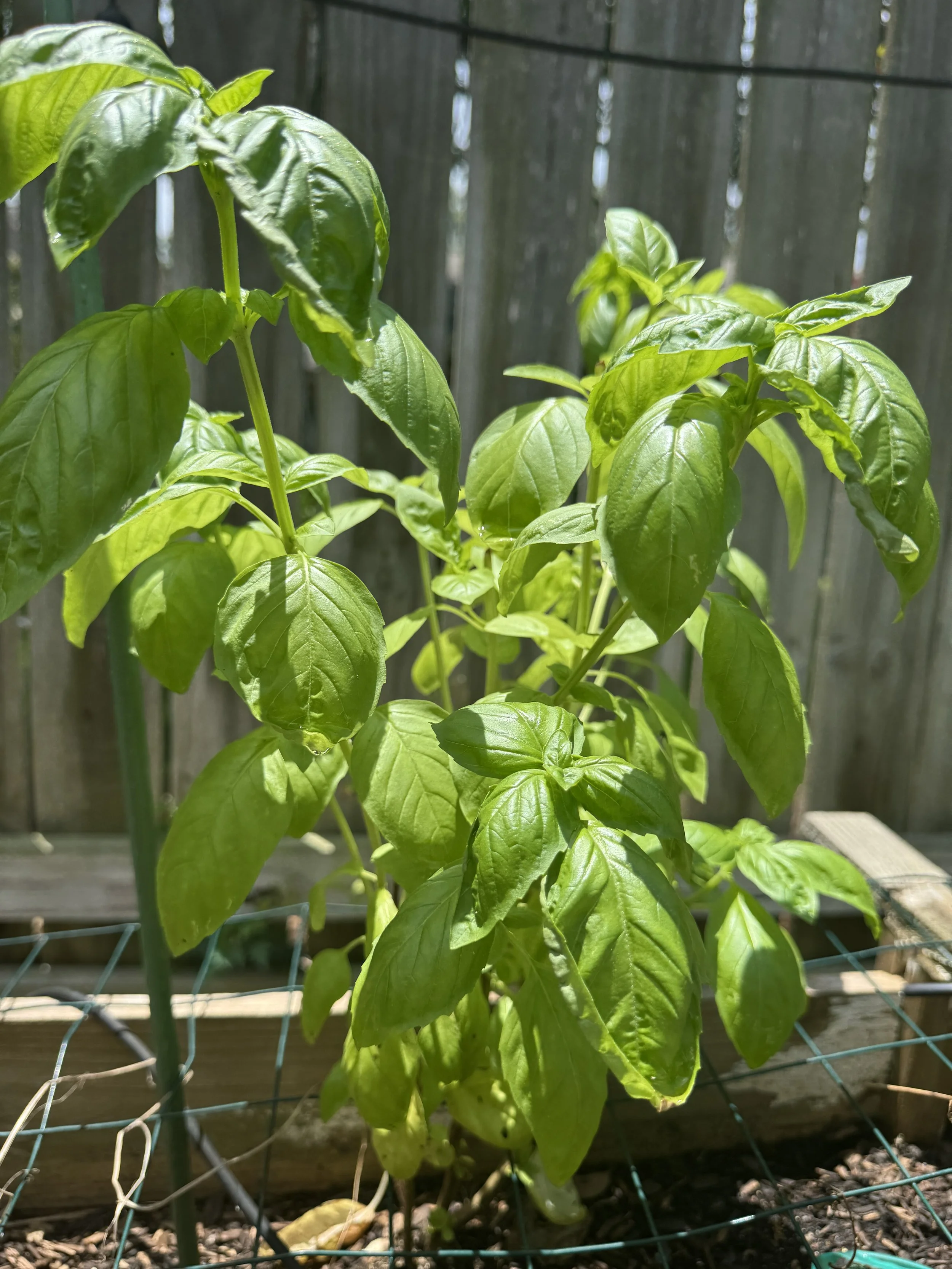
Pinch Your Basil
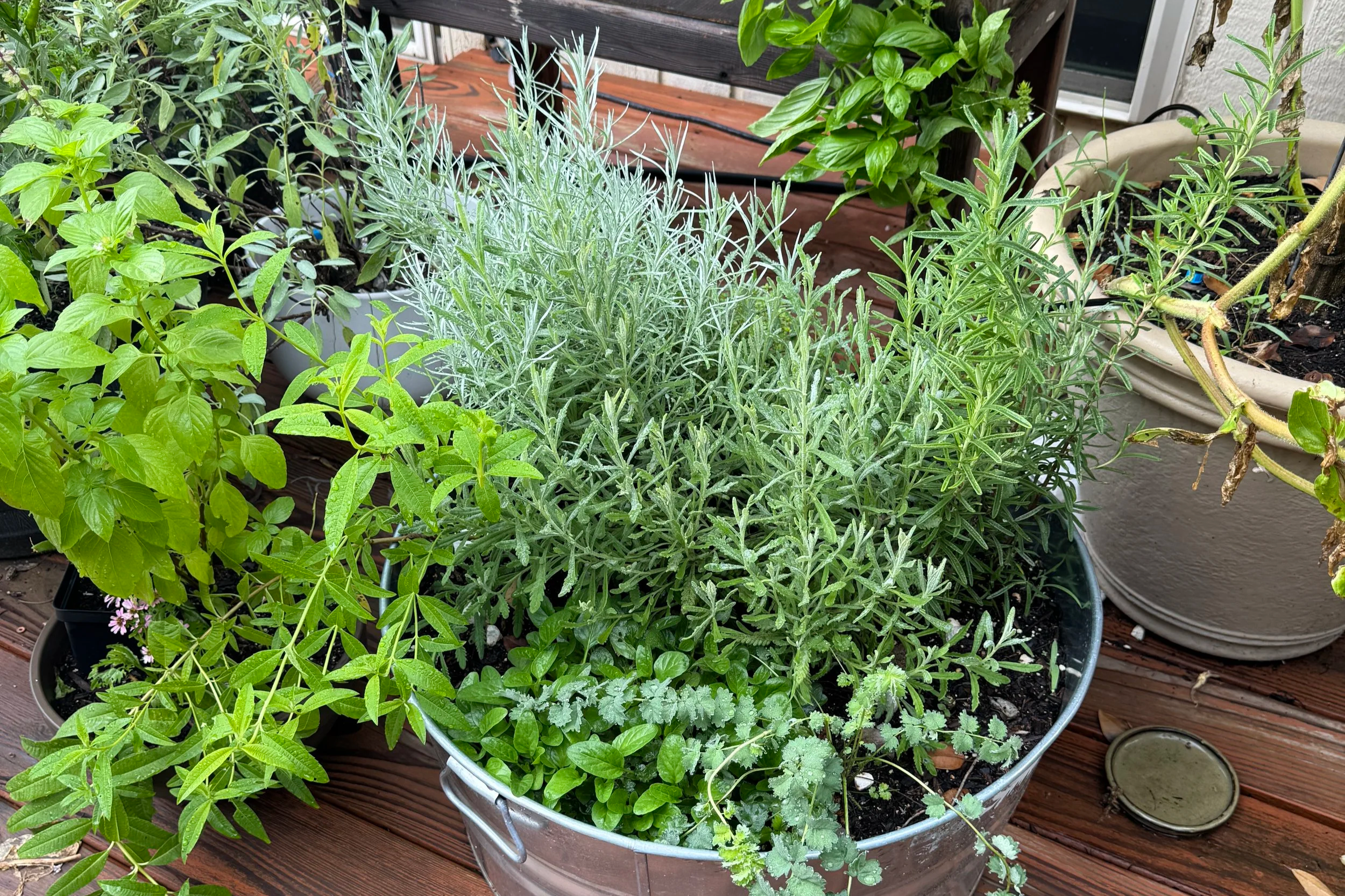
This is another gardening practice that sounds rude but is brilliant. Basil (and rosemary, lavender, and more) have a fun habit of growing two baby leaf nodes next to their big leaves. What is fun about it is that those leaf nodes can branch into stems and create two sets of stems and leaves where only one existed before. Pinching basil is when we encourage the plant to do this by pruning the plant right above these notes. This prevents the plant from getting too “leggy” and encourages bushiness.
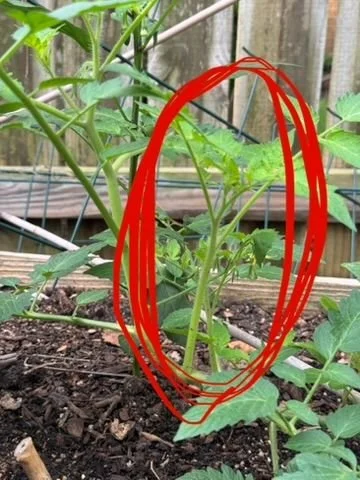
Remove the Suckers
I know this sounds rude, but this is a necessary pruning practice. The “suckers” are secondary stems (not leaves, not fruit) from the main tomato stem that are trying to branch off and start a competing main stem. Think of them as members of the band that are “going solo”. If you remove these when they are small, the plant can focus all its energy on forming fruit on the main stem. This way you get more and healthier fruit production.
The one thing to do this week
If you haven't done it yet, do a full walk of your garden with fresh eyes. Pull anything that's clearly done, make note of what's underperforming and why, and get your warm season transplants in the ground before the heat window closes. Check under leaves for pests and note any bite marks. April in Houston rewards the gardener who moves quickly and pays attention.
Download the Flourish Planting Calendar below for the full date ranges for every crop — it's the reference I use with every coaching client and it takes the guesswork out of timing.
»Download: Flourish Planting Calendar«
And if you want to talk through what your specific garden needs this season, a Coaching Session is an hour with me focused entirely on your space, your questions, and your next steps.