

Alternative Salad Greens for Houston Gardeners in Summer
By now, we’ve all heard of the parasite in some our favorite salad greens. I am neither an epidemiologist nor a doctor. I am a gardener who is happily munching on the parasite-free greens she is growing from the ground in her backyard. Houston summers are not kind to the Iceberg, Romaine, and Green lettuces we get at the grocery store, so let’s set that aside. But you can still get good greens to grow in summer. What am I growing you ask?
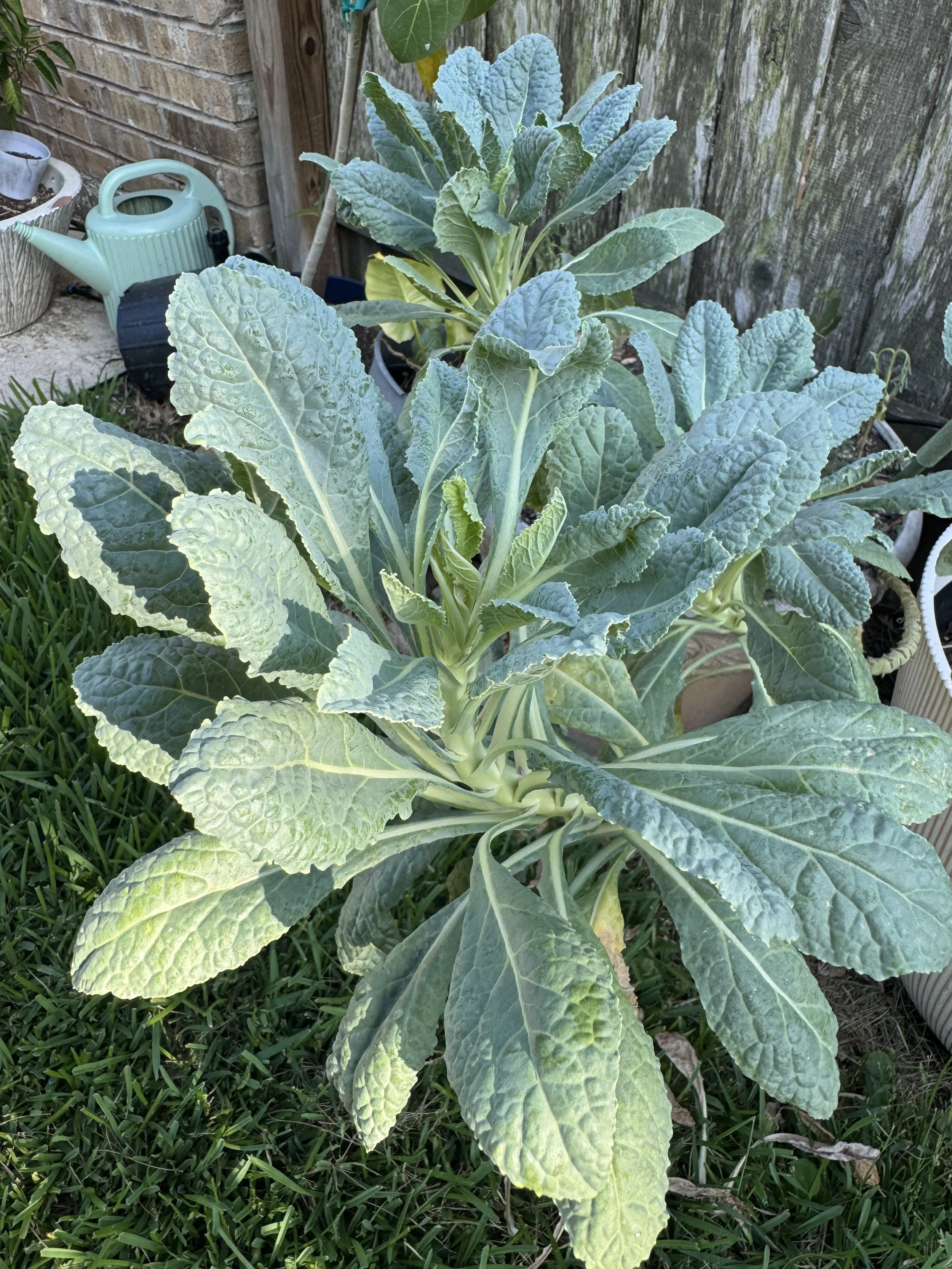
1.Lacinato Kale
I adore this kale. It’s delicious, high producing, heat tolerant, and beautiful to look at. It does need well draining soil to do well, but it will be happy in a pot or a raised bed. It does tend to attract mildew, so wash well before using in soups and salads. It also tends to get tall as it grows new leaves, so be sure to replant it each season.
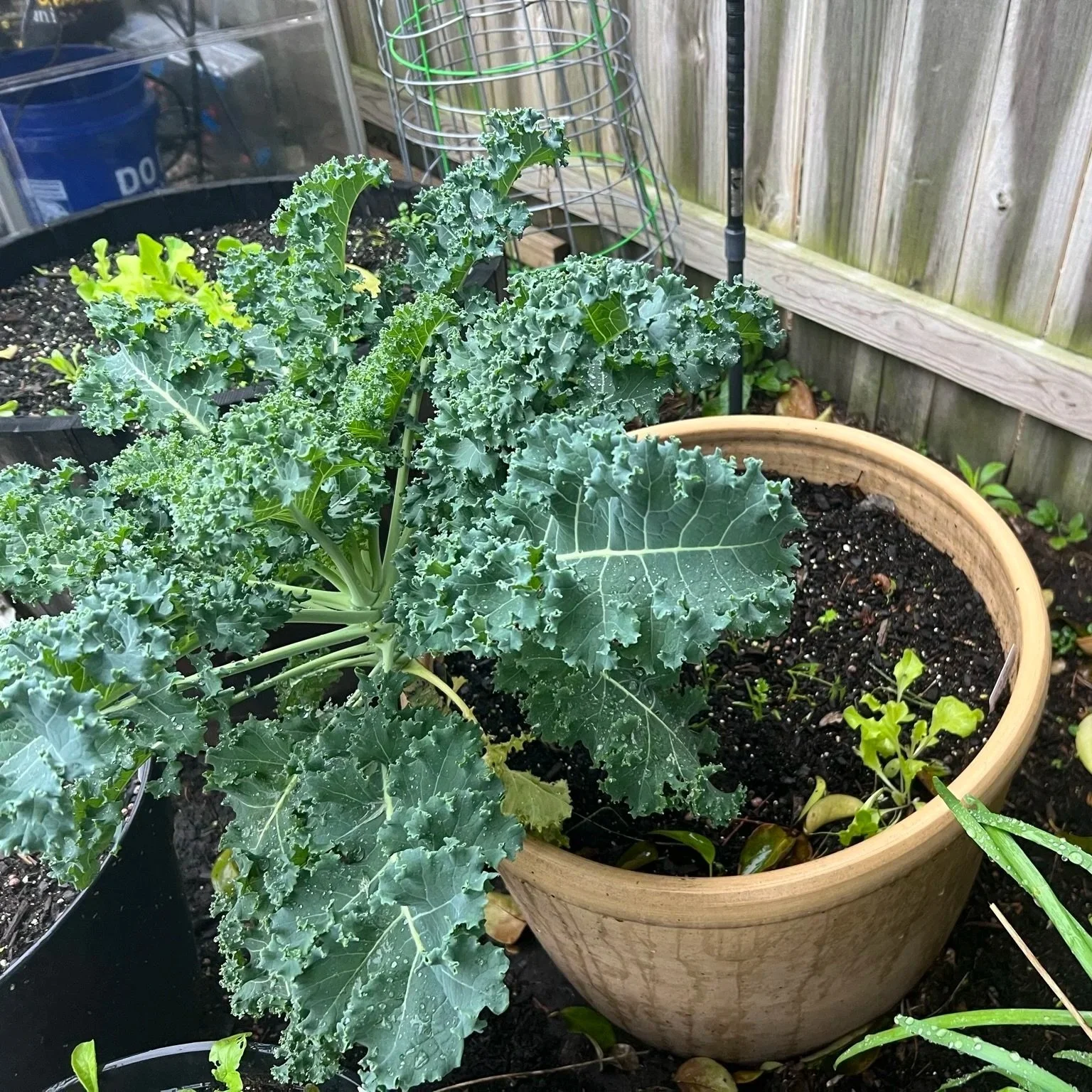
2.Blue Kale
This common curly kale is frequently called “blue kale” on the seed packet. As a food, it is packed with nutrients and is perfect for salads, soups, and smoothies. Once established in well draining soil, the plant is a prolific, year-round producer. I’ve had curly kale plants live to be 3 years old before I cut it back to start again. If you consume greens in Houston, your garden needs one of these
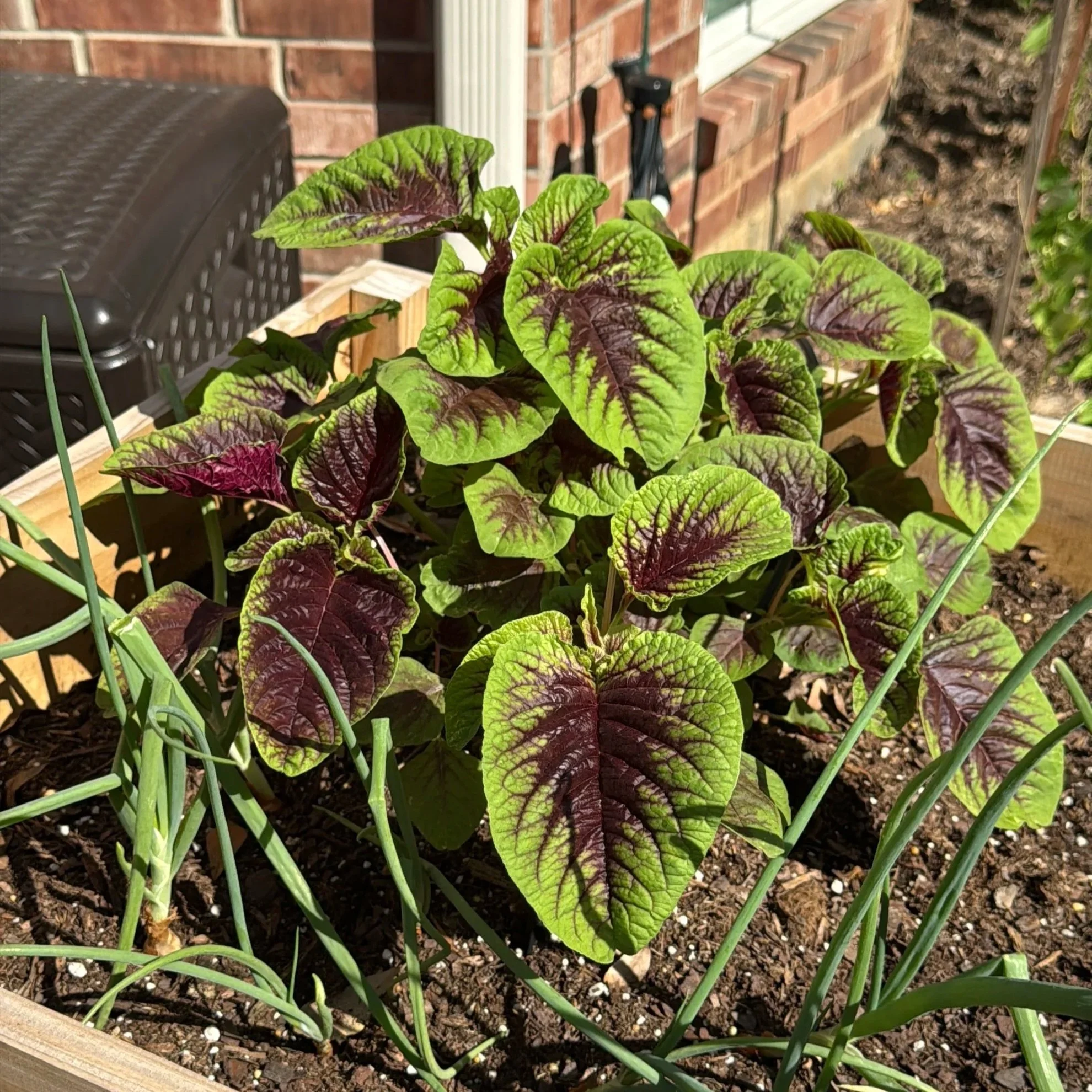
3.Callaloo
Callaloo is a member of the Amaranth family and is a great add to soups, salads, and stir frys. I use it as a replacement for spinach, as its tender leaves have a similar mouth feel. As plants, they are attractive, fast growing, and fairly heat tolerant. A few in a raised bed is usually enough to replace your spinach buys from spring to fall.
4.Sweet Potato Greens
When someone ask me how these greens taste, I tend to tell them say “they are good for you”. But when you realize just how good, you may just be willing to try them out. They are packed with antioxidants, fiber, and vitamins, improving everything from digestion to blood sugar control. And while cooking them can let some of the nutrition escape, stir frying it with garlic, ginger, and sesame oil can help you enjoy these power greens.
5.Collard Greens
Collards are a cornerstone to Black American cuisine and should admittedly be higher on this list. It is packed with nutrients (if you don’t cook out too much) and reminds me of every Southern meal I’ve ever had. These are high-producing, large plants, which is why I don’t grow them myself. Instead, when I grow them for clients, they do best when planted in September but some folks sneak them in August and do fine.
Ready to start your own year-round salad garden? Book a Consult!