

What You Can Learn from the Next Generation of Gardeners
I have had the pleasure of coaching dozens of kids in the garden and I have come to the following conclusion:
The best natural gardeners I know are under 10 years old. While they aren’t good at listening to a long explanations, they are very good at making observations, asking questions, and keeping gardening fun. Every great gardener has these three skills, and I’ll teach you a bit on how to adopt each.
Observation as a Habit
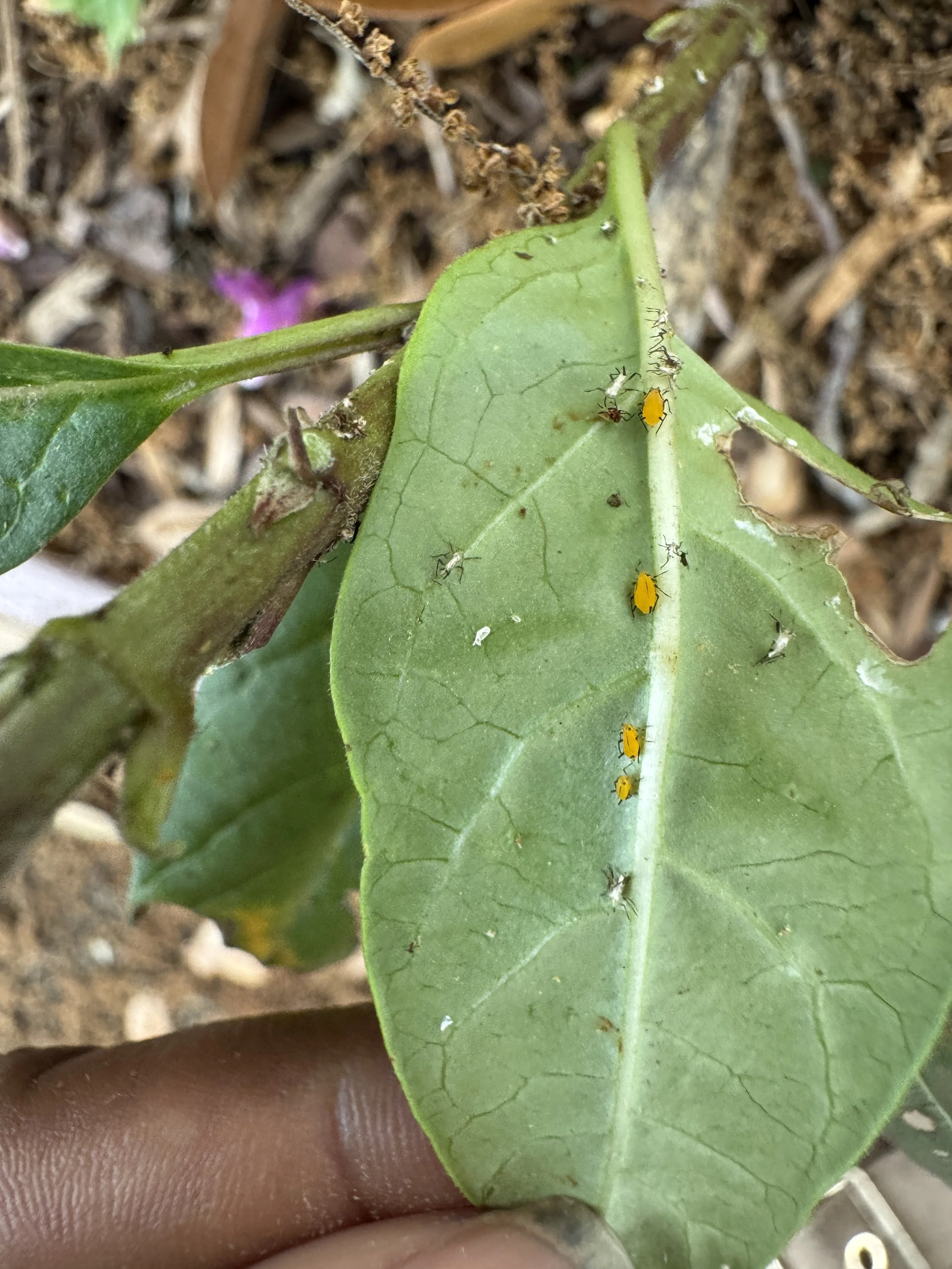
Pepper pests
Kids see everything. They zoom in on anything not matching or out of place immediately. And when you train them to recognize things in the garden, they are amazing to watch. For instance, in one of my summer programs, I play a game called “Plant Doctor” where I teach the kids to recognize when a plant is in trouble and why. I use examples from the garden and have the kids race to tell me all the things wrong with each plant. Then I let them loose on big outdoor garden and ask them to do the same thing. The first time I ran this program, I was blown away by the commitment. These kids pulled of dozens of caterpillars and snails, pointed out powdery mildew, and identified watering issues.
To adopt a kid’s observation skills, I find it helps to try to describe what I am seeing in more detail. Most plants, when healthy, have firm deep green leaves of near identical shape and feel. Next time you’re in your garden looking at a plant, think about whether this is true for your plant. And if not, it’s time to find out why not. Observation is the first step to learning.
Curiousity Rewarded
“Why are tomato stems so furry?” “Why do cucumbers have spikes?” “How do beans know how to grow up around the pole?”
These are all verbatim questions I got from kids this year. They genuinely love asking questions and knowing how the world works. I love googling things like this, refreshing my basic botany knowledge.
Adults do not usually ask questions like this because they don’t notice or don’t want to sound silly. Instead they ask “why did that die” or “should I plant my new bush there?” These are not bad questions, but they only apply once in one situation. A better question is, “what does it mean when leaves curl inward, turn light green, and fall off?” This gets the answer “because they didn’t get enough water” and allows you to notice and solve this for every plant forever. I would challenge you to ask more kid questions and see how quickly your plant knowledge grows.
Gardening without baggage
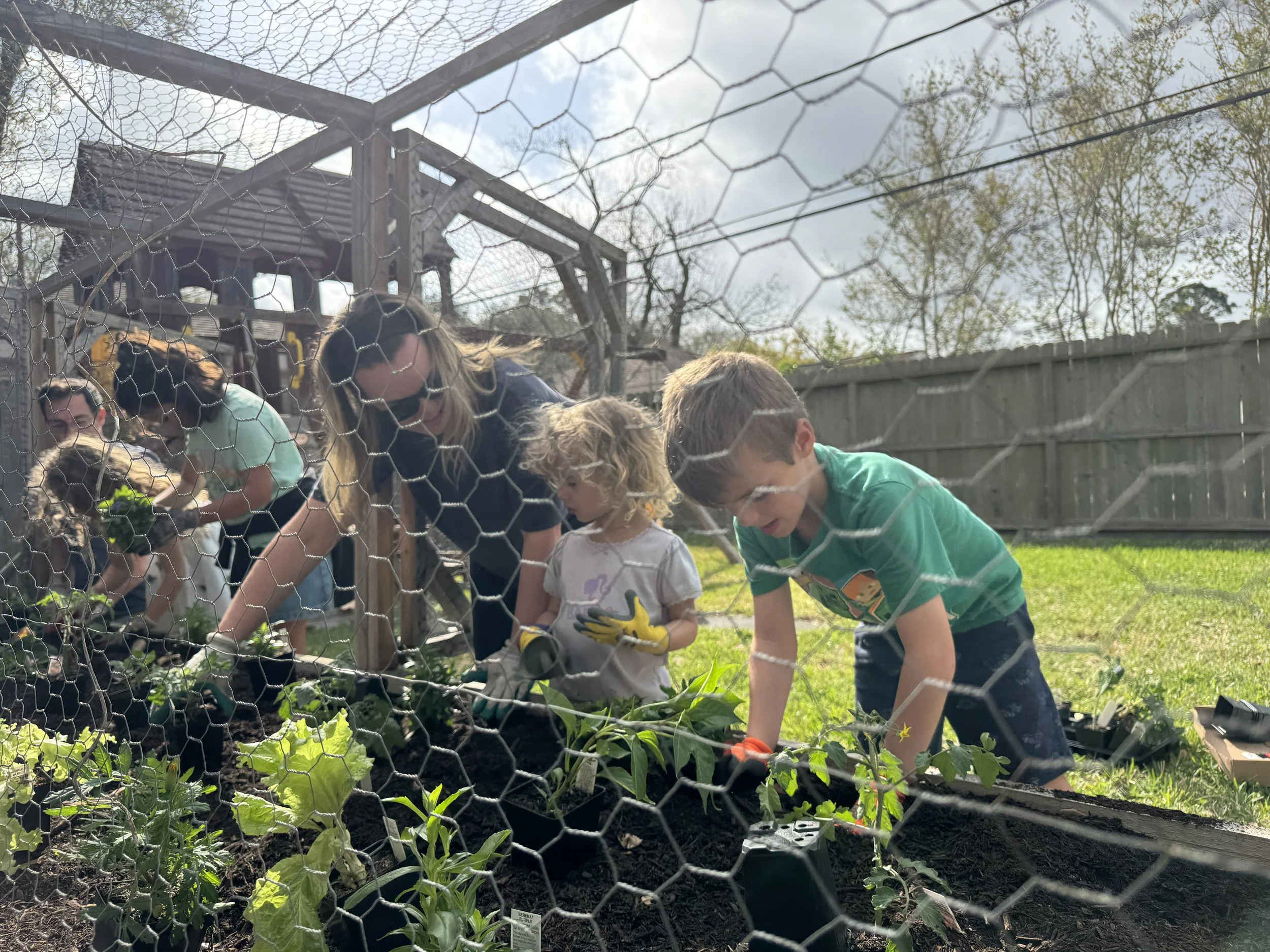
Family planting day coaching session
Adult beginners come in with the baggage of dead plants and a fear of failure. They are scared of wasting time, money, or self esteem on plants they can’t control. Even as a professional, I have anxiety about making a recommendation that does not work out. However, I remember meeting a 6 year old proudly told me that “everything we plant dies” before gleefully starting a new planting project. If I could bottle that humility and fearlessness cocktail, I’d be a millionaire.
I think we all need to be a little bit more fearless in the garden. Whether it is trying out a new summer annual or a new variety of eggplant, every season should be a time to try new things. Not everything works out, but I believe that the goal is not a perfect garden but a great gardener.
Ready to hone your or your family’s gardening skills but still unsure where to start? Sign up for garden coaching.