

Root vegetables are magic! If you’ve ever pulled a radish from the ground (or watched a 6 year old do the same), you’ll get addicted to growing these nutrient dense tubers. As we enter cool season, it’s game time for beets, carrots, fennel, garlic, onions, radishes, and more. Below is my guide to getting a ton of these underground wonders.
Raise Your Soil Game
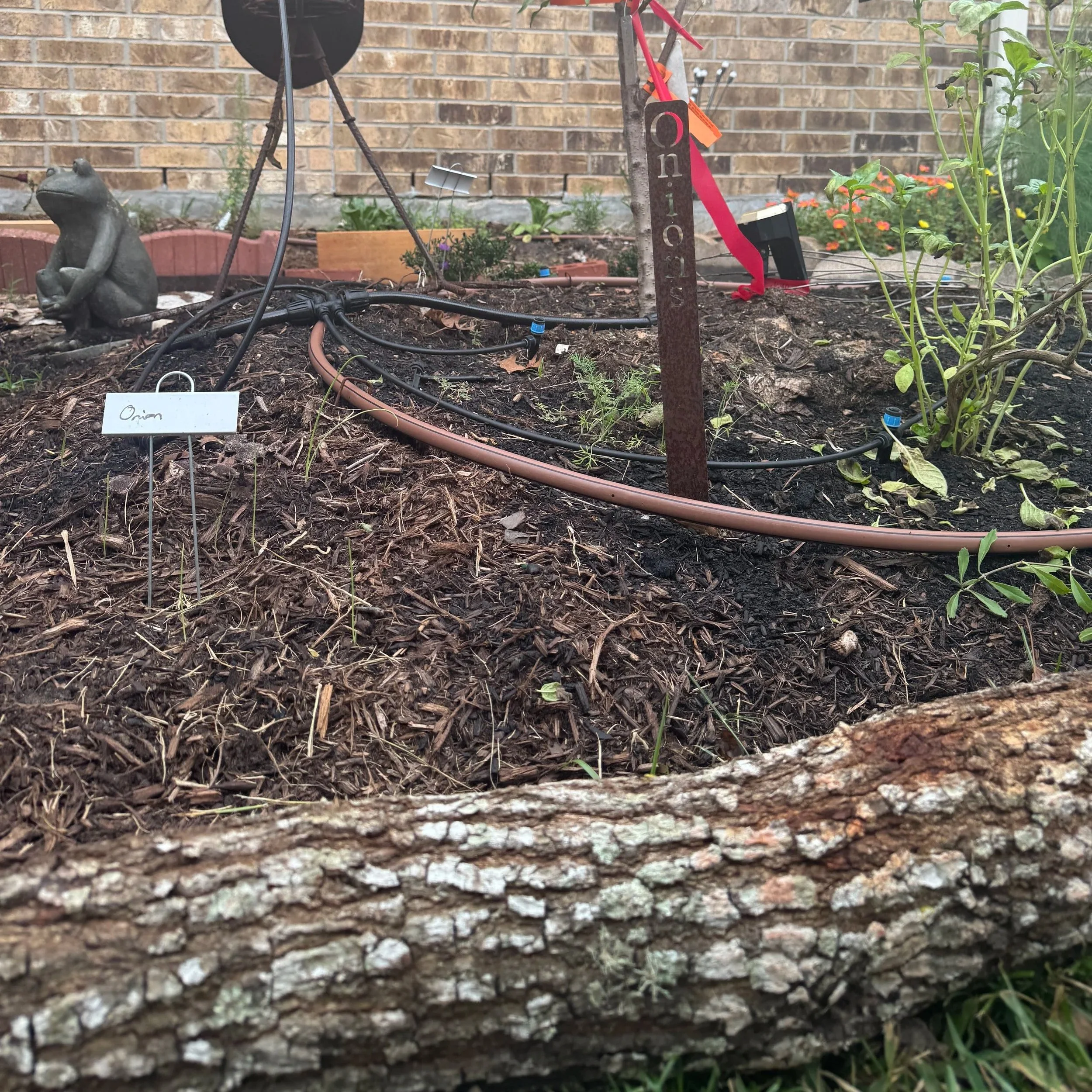
All root crops need several inches of well draining soil to flourish here in Houston. This is not the natural state of our soil, so you’ll have to build the soil you need. Before you buy a raised bed, consider building your own in ground bed. I wrote a blog this month about building soil in ground. While it takes a bit of work, I have had a lot more luck growing root vegetables in-ground using the lasagna method than a with raised bed. That said, Ive grown carrots in pots just fine so wherever you can get enough depth. I find that 8” of soil buil is enough to get great production from a wide range of vegetables.
Variety Matters!
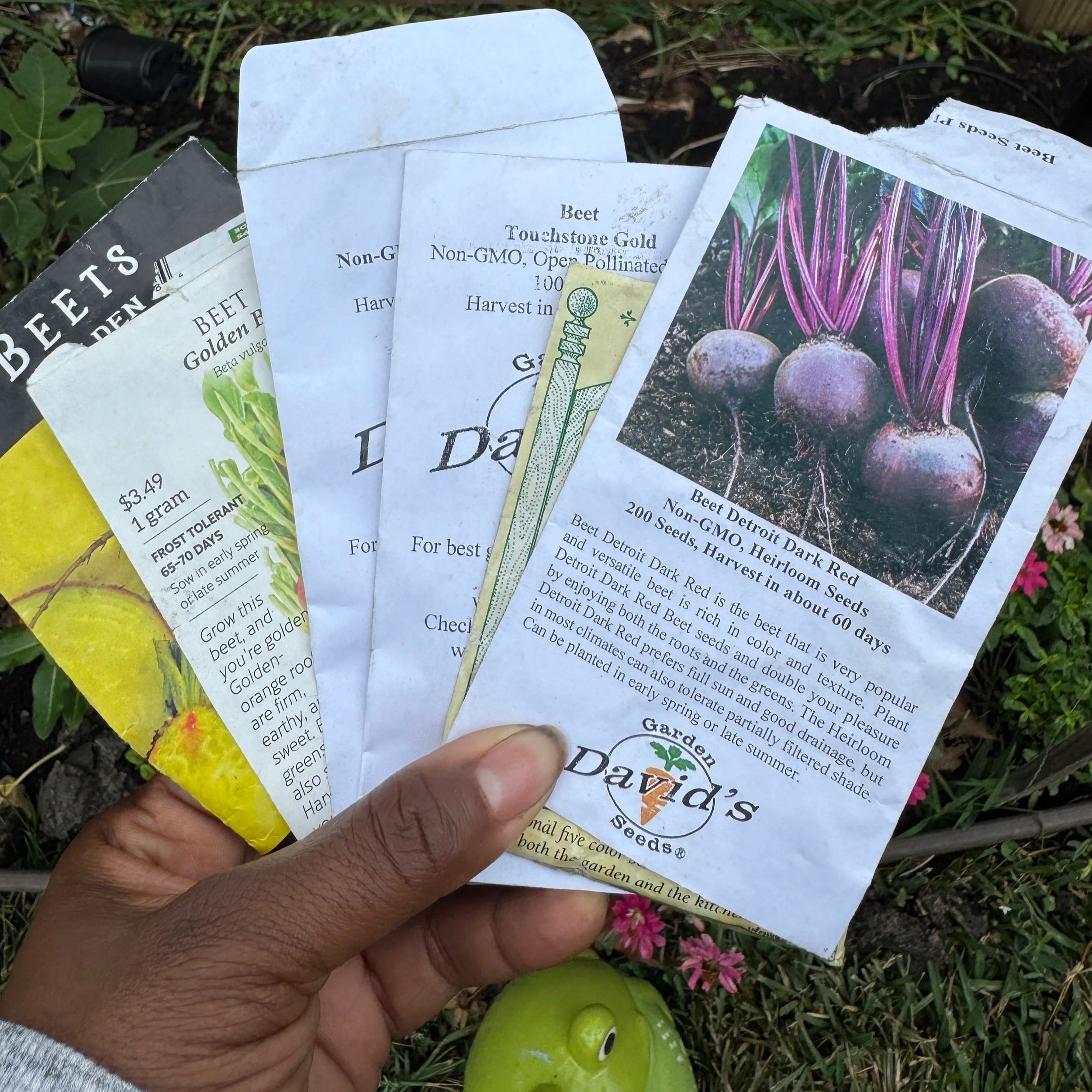
I cannot stress how important plant variety is to your gardening success. I do not mean carrot vs beet. I mean “Detroit Red” beet vs “Golden” beet. Vegetable varieties are developed with temperature, humidity, soil, and pest tolerances in mind and some heirloom varieties have been grown fir generations. For instance, the “Bolero” carrot develops a shorter thicker root with a blunt end that does not struggle as much against our clay the way a long thin carrot like the Imperator. You still need to plant it high, but it can take advantage of the fewer well draining inches. Softneck variety garlic does much better than hardneck varieties here. Short day onions are better suited to grow here. The Harris County AgriLife Extension has a list of vegetable varieites that work well and I like to experiment after planting a healthy amount of these sure things.
Timing
Root vegetables claim to like full sun but they don’t necessarily like full heat. That’s why they do so well in the cool season here in Houston. I plant all of mine from seed (or clove) starting from once the overnight temperatures dip under 80 (mid-October this year). You can usually keep planting (see Succession Sowing) well until the early spring but these are marginal times.
Water
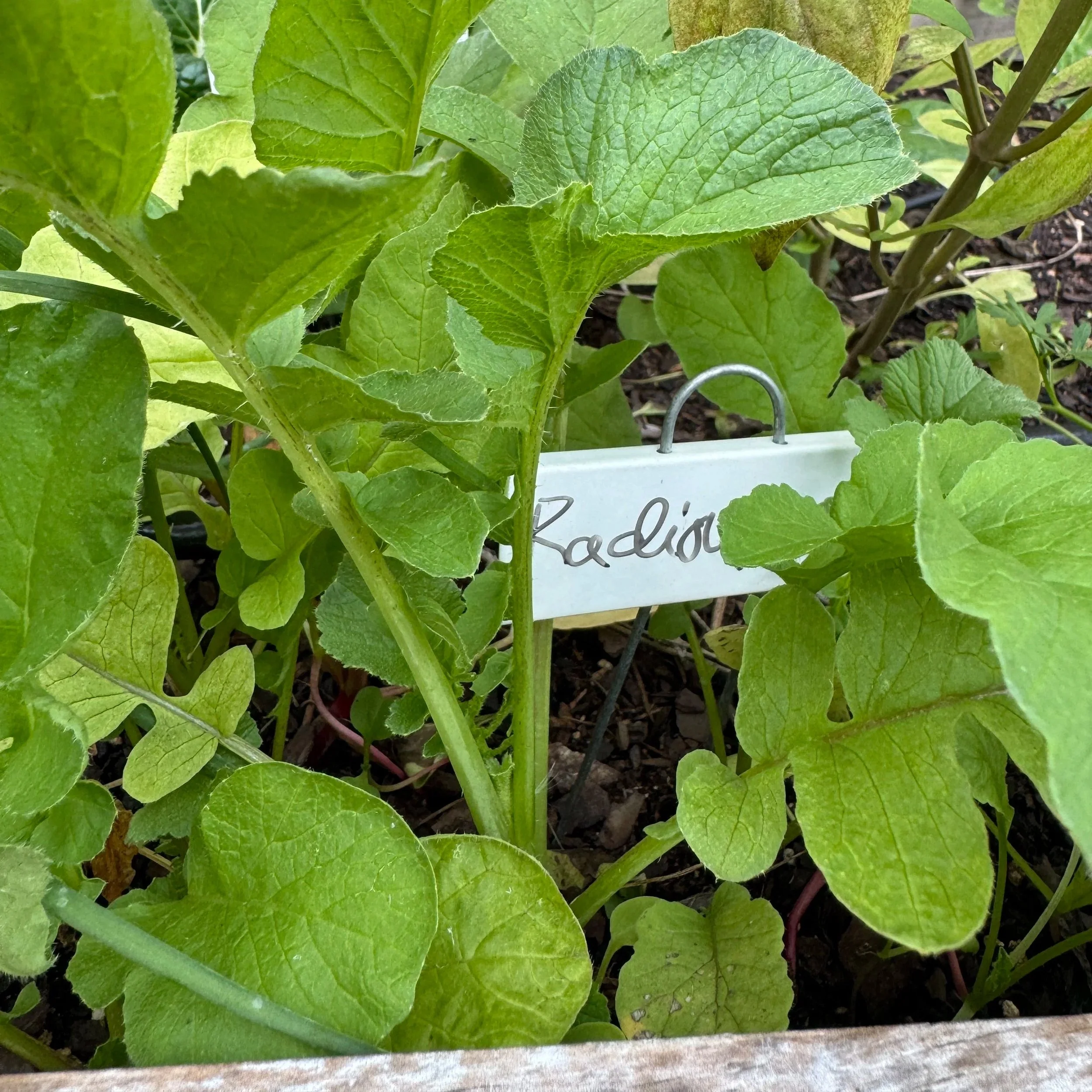
Like any vegetable seedling, regular watering is necessary to form young tap roots. However, once the seedlings have reached a few inches, the roots are able to take better advantage of the water a few inches down from the surface. These roots are also sensitive to overwatering so I usually ramp down to 1-2 waterings each week as the temperature comes down. The goal is to keep the soil damp, not wet. This surface moisture is also important during succession sowing.
Fertilizer
Root vegetables are heavy feeders so be sure to have a layer of compost, some slow release fertilizer, and worm castings worked into your soil. A bit of bone meal adds phosphorus to kick off root production. Once we hit December, I stop fertilizing altogether as most plants enter a dormancy phase (onions and garlic) or have been harvested. However, once we hit spring, I use a liquid fertilizer every 2-3 weeks to promote growth. Stop fertilizing when the plant begins to bulb above the surface.
Bulbing and Harvesting
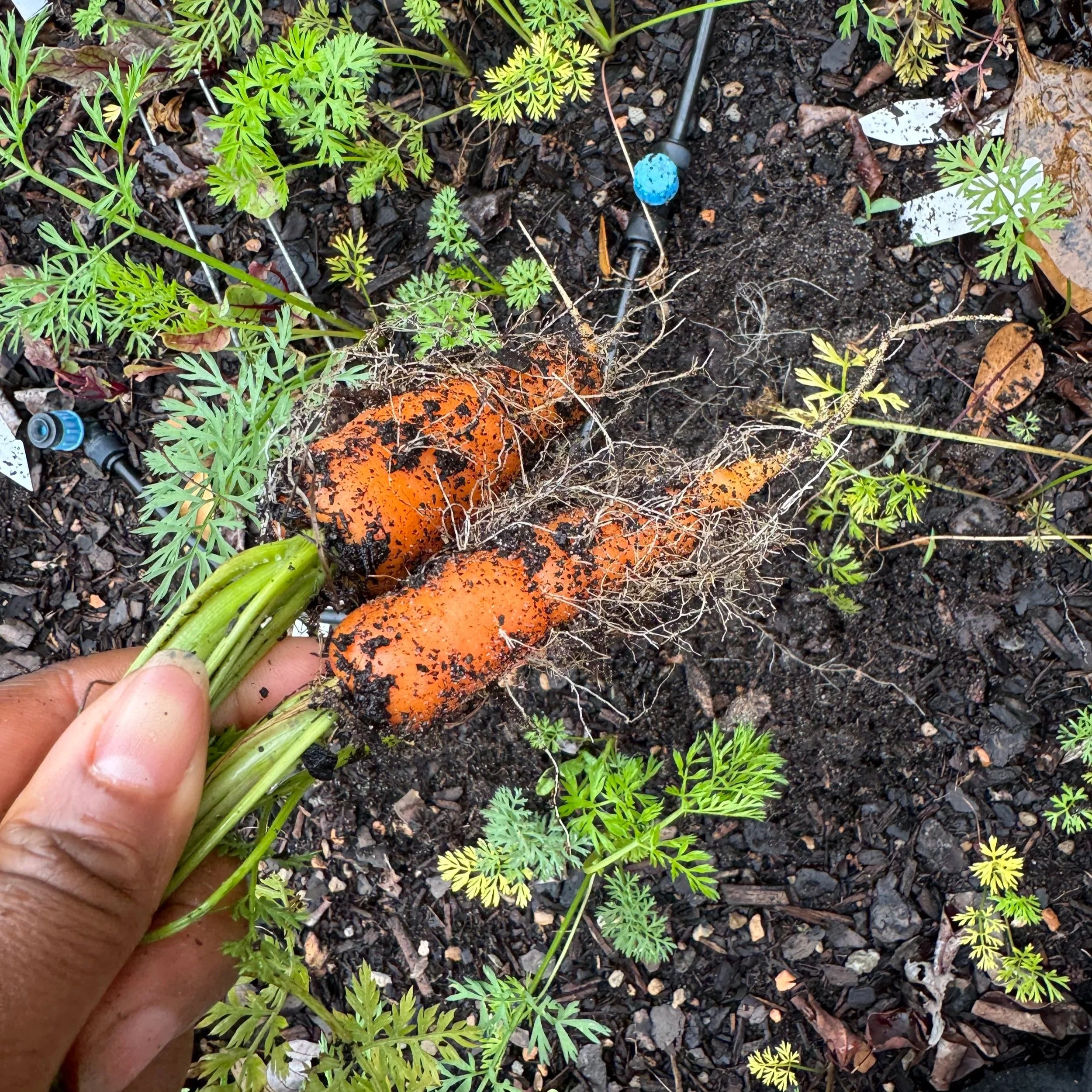
Most root vegetables (sans onions, garlic and fennel) will appear above the surface as a round mound. This does not mean that you have to harvest it immediately. Instead, pull it when the bulb is at the desired width of the vegetable. Beets and radishes are particularly notorious for peeking above the soil line when they still need 2 more weeks.
Eat the Greens
When you harvest, cut, wash and store the greens as well as the vegetables. Most root vegetables produce perfectly edible greens and they are criminally underused. Carrot leaves have a surprising sharpness that I like to use in spreads and beet tops are nice as a salad in themselves.
Succession Sowing
This is THE trick to getting a lot of root vegetables come harvest time. Because we harvest vegetables these plants by pulling out the whole plant by their roots, there the space left behind is a vaccume that new vegetables can grow into. But instead of waiting the 60-80 days to plant in the same place, we sow seeds every 21-28 days. That way, we get a new crop every few weeks to harvest in the same place. This trick does not apply to the alliums (garlic, onions, etc) but it works just fine for carrots and radishes.
Harvesting and Curing Garlic and Onions
Garlic and onions tell you they are done when their tops turn yellow/brown and start to flop over. Onions will bulb before this, so don’t fall for it. The alliums need to be dried out entirely in order to be stored for long term use. Spread them in a well ventilated area, like a garage with a fan, and leave them there for about a week. Soime say that you can do this outside if it’s warm and dry but I don’t trust our humidity. Once the leaves have completely dried out, cut off the root and the tops for storage.
Growing root vegetables is super rewarding! If you’re looking for similar rewards but would love a little coaching, book a coaching session with us! Until then, Happy Gardening!